Hi Brand Enthusiasts,
Welcome back to my blog! In this post, I will be discussing how positioning and differentiation can enable a brand to become successful.
Let us take a look at the Google as an example.
Google
Today, Google is one of the top most widely used search engines in the world. Just more than a decade ago, Yahoo was still the top preferred search engine that people used. Over the years, we have seen how Google evolved to be ahead of its competitors.
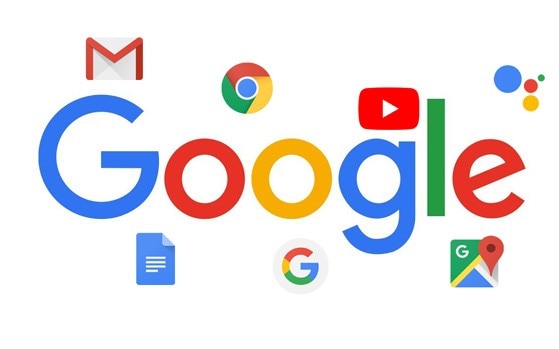
Yahoo is an internet service provider but Google is a multi-faceted service provider; it wears many caps for being an entertainer, a social networking platform, a mobile service provider and a host for content creators.

(Image credit: indiatoday.in)
Differentiating itself through Products & Services

Taking a look at the above and comparing the services provided by Yahoo and Google side by side, we see that Google has many more services than Yahoo. Most importantly, they are very widely used. Not just about the number of services, the nature of Google's services also helped to gain wider range of users for the following purposes.
- Communication
Google has services that provide a platform for users to interact; for example the Hangout function for chats and the translation tool that aids users in interacting online and even offline. Its Android services of course, are a must-have for any Android phone user.
- Content Creation
Google took over Youtube in 2006 for about US$1.65 billion which has become the top video streaming service generating a year-on-year growth in advertising revenue clocking US$116 billion in 2018. While Yahoo positioned itself in a 'one-way communication' approach where information is shared from Yahoo to users, Google differentiates itself as an inclusive sharing community allowing users themselves to contribute and generate content for other users.
- Continuous Mobility
Google map plays an important role in helping users to find their ways to their favourite stores or places of interest during travel. Unlike Yahoo where its services do not travel beyond desktops and computers, Google's services including shared drive allow users to continue utilising its services while on the move. This creates a diversified usage among users where they no longer be confined to huge PCs; now that people generally use mobile phones more than desktops during their private time, it only makes sense that Google users to be many more than Yahoo users.
Through the above clear strategies to differentiate itself from Yahoo, Google has successfully become the top preferred internet service provider that has significantly increased users' reliance on it on a daily basis as part of their lifestyle.
Products & Services Define Positioning
Previously, how we used Yahoo was on an individual consumer's level where it brought convenience to users on a one-on-one basis. How Google positioned itself differently from that is, it facilitates the ease of use not only for personal consumption but also business purposes. That immediately expanded its target users to a broader circle as it diversifies the consumer's motivation to use its services.

(Photo credit: needmomentum.com)
- Business Consumption
A huge factor how Google differentiate itself was by positioning itself as a business solutions provider through the business tools it provides to corporate users. It did not remain as just a search engine; it offers itself as an advertising platform through Adsense, provides free satellite tools for users to navigate directions almost worldwide, hosts Gmail accounts that enable extensive use of other tools such as Google Business, Blogs, Google Drive for free document storage etc.
The G Suite for Business also offers convenient access to shared drive, calendars and allows easy creating of documents. For B2B or B2C merchants, Google My Business allows them to list their business activities on the search engine to optimise users' search by keywords to find their websites or even engage them with online content through targeted advertisements.
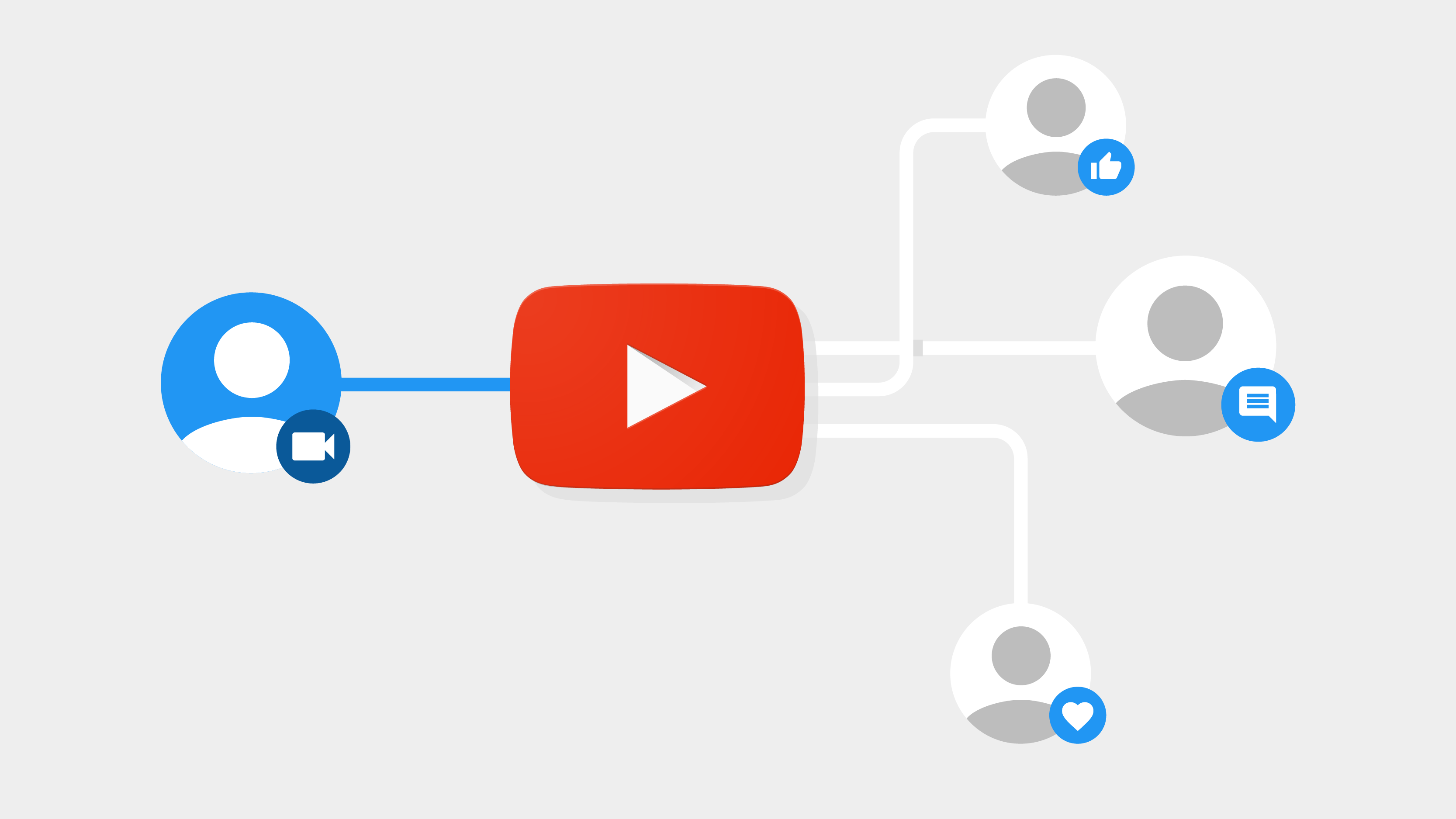
(Image credit: google.com)
- Personal Consumption
For average users like you or myself, we enjoy using it as part of our daily entertainment. We can find news, do online shopping, find games on the app store and watch video content on YouTube. Alongside the growing demand for individual content creators, anyone can now become an influencer by producing popular YouTube videos or managing a blog which can even be monetised.
All in all with the endless list of products that Google offers, it has successfully positioned itself to be the leading internet-related service provider that has many arms in various products which self-differentiate from other smaller single-solution service providers.
References:
https://developers.google.com/youtube
https://www.indiatoday.in/technology/talking-points/story/a-day-without-google-apps-the-good-the-bad-and-the-ugly-1100453-2017-12-05
https://ymaillogin.net/all-yahoo-services/
https://www.theguardian.com/business/2006/oct/10/searchengines.citynews
https://looxcie.com/youtube-worth/
https://www.indiatoday.in/technology/talking-points/story/a-day-without-google-apps-the-good-the-bad-and-the-ugly-1100453-2017-12-05
https://ymaillogin.net/all-yahoo-services/
https://www.theguardian.com/business/2006/oct/10/searchengines.citynews
https://looxcie.com/youtube-worth/
Comments
Post a Comment