Starbucks has been a top-favourite mass brand for many café goers
and coffee people despite some commenting on its relatively high pricing for
the hand-crafted beverages. Consumers live the ‘Starbucks’ lifestyle using it
as a symbol of ‘modern and chic’ for the metropolitans to hold a cup in their
hands and a casual coffee place for friends gathering. The loyalty of its
consumers that made them live the brand is not by chance; I think Starbucks has
effectively established the 5 key variables of the most influential brand contact points
which helped in building its strong consumer loyalty. And more than frequent, all these brand contact points are closely intertwined with the internal marketing to employees.
Let’s take a look at the following brand contact points.
1. First contact point: As a franchise brand,
Starbucks has uniform storefront displays, interior design and standardised
marketing collateral. The baristas that we encounter are most likely young and
bubbly staff who greet customers “Welcome to Starbucks!” with an energetic
voice. The uniforms and recruitment of selected type of staff give the employees a sense of pride to be part of the Starbucks barista community.
/cdn.vox-cdn.com/uploads/chorus_image/image/66490225/shutterstock_1410002591.0.jpg)
Photo: Harun Ozmen/Shutterstock
2. Last contact point: Since Starbucks is a self-service
café, the contact points of the customer’s journey on a physical visit are limited.
Even so, the baristas do a good job at getting your name to be put on the cup sometimes adding a personalised phrase or smiley to brighten your day. The flexible and skillful baristas also allow
you to customise your own drink. Some even customise special concocts on the spot for regulars that it is said to have secret menus that are not on the menu board. The last contact point can be
said to be the cup of satisfaction a customer gets upon his name being called by the
staff and receives his drink accurately per what he has customised. With this freedom of concocting drink flavours and have a chance to create the next new beverage, the staff get to exhibit their creativity and skill to the fullest.

Photo: Wachiwit/ Stock.adobe.com
3. Frequent contact point: I would say, Starbucks has quite a few frequent contact points; apart from the baristas who would customise your drinks and add personalised messages for regulars, it would be the branded cup that you hold in your hand, the loyalty point card in your wallet that you would see every time you open your wallet to buy something even when not at Starbucks, the pretty tumblers and merchandise that are launched seasonally and simply the dark green logo showing a mermaid with a crown.
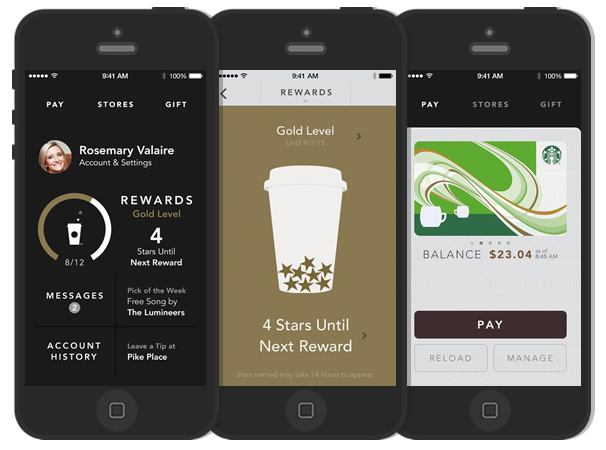
Photo: JayGoldman.com
4. Impact contact point: Starbucks has its own star loyalty program both on a physical loyalty point card and its phone app. It has different tiers of loyalty from green to gold that offer differing perks to the regulars. Regularly, there will be a reward coupon such as ‘1-for-1’ or ‘complimentary size upgrade’ to surprise the app users and remind them to make the next visit soon. This is very tastefully done as well and it does help to regulate the frequency one patronises Starbucks.
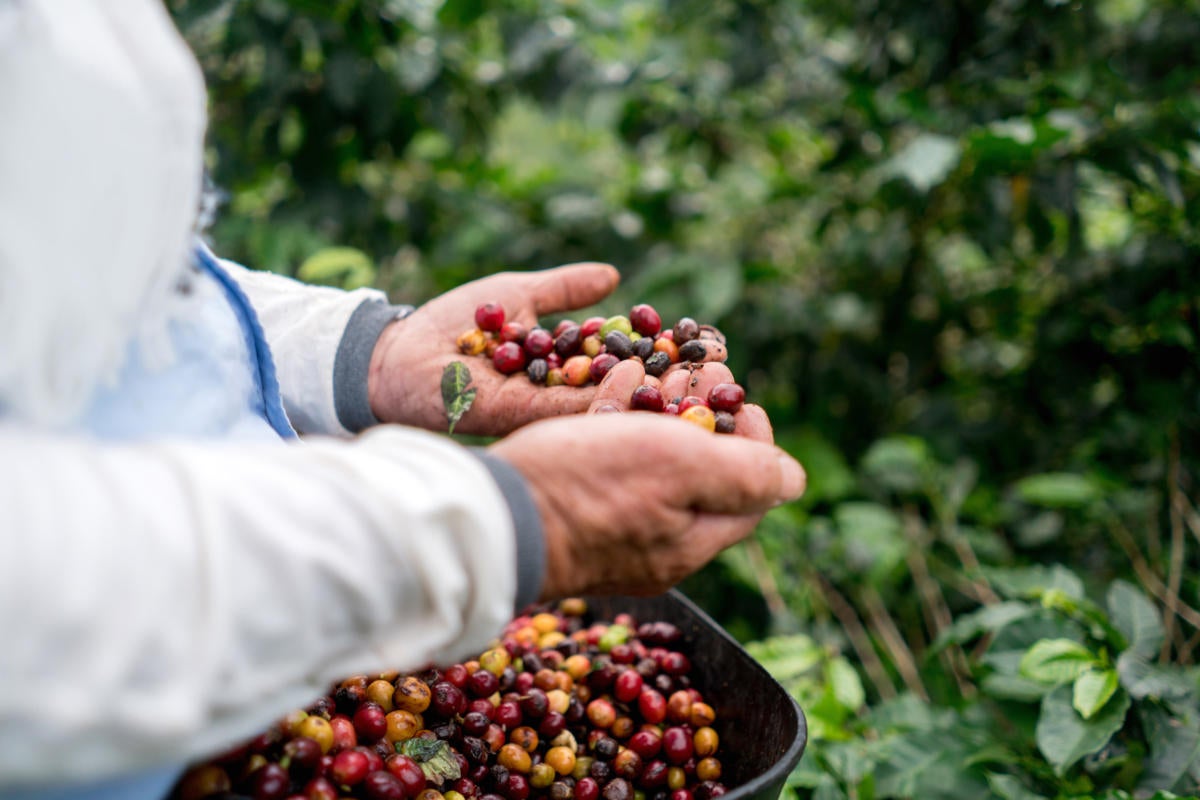

Photo: Wachiwit/ Stock.adobe.com
3. Frequent contact point: I would say, Starbucks has quite a few frequent contact points; apart from the baristas who would customise your drinks and add personalised messages for regulars, it would be the branded cup that you hold in your hand, the loyalty point card in your wallet that you would see every time you open your wallet to buy something even when not at Starbucks, the pretty tumblers and merchandise that are launched seasonally and simply the dark green logo showing a mermaid with a crown.
Photo: JayGoldman.com
4. Impact contact point: Starbucks has its own star loyalty program both on a physical loyalty point card and its phone app. It has different tiers of loyalty from green to gold that offer differing perks to the regulars. Regularly, there will be a reward coupon such as ‘1-for-1’ or ‘complimentary size upgrade’ to surprise the app users and remind them to make the next visit soon. This is very tastefully done as well and it does help to regulate the frequency one patronises Starbucks.
Photo: computerworld.com
5. Resonant contact point: Another important point how Starbucks gains its long-term support is through its CSR initiatives. When a customer makes a purchase, he not only does so to satisfy his momentary needs; it goes further if the purchase gives him a ‘feel good factor’ allowing him to think he has done good by supporting a brand that does good. Starbucks does a lot of sustainability efforts such as sourcing for ingredients (coffee beans, tea leaves etc) ethically, minimising environmental footprint and creating career opportunities. Employees who work in companies that have such vision are likely to be more motivated to contribute more toward the greater aim. Starbucks staff would see that every cup of the coffee sold goes beyond satisfying the customers but also the environment and the whole coffee supply chain.
Photo: Businessinsider.sg
In the aspect of internal branding, Starbucks does a good job in building resonance among its employees. In 2018, Starbucks opened its first sign language store employing deaf and hard-of-hearing staff and has since expanded to other countries including Malaysia. It sets itself as a good example in acknowledging the minority in the society and provides them a space for communication just like how it does for the average consumers. It tells all staff that disabled people can contribute to the company and society as well like every normal being. Recently amidst the current economic impact caused by Covid-19, Starbucks announced to offer a ‘catastrophe pay’ to employees affected in contrast to many other companies that are implementing retrenchment. This is a strong boost to the employees’ morale that they need not worry about losing their jobs and they will be well-taken care of if they contract the virus.
All these consistencies of employee branding weaved within its brand contact points have helped to build trust and confidence in consumers toward the Starbucks brand that people are more forgiving when it occasionally errs. For instance, there was an incident in U.S last year where an Oklahoma cop went to a Starbucks, got his coffee with a label printed ‘Pig’. Starbucks took quickly to action by dismissing the barista who committed the silly joke and worked with the Kiefer Police Department to organise a ‘Coffee with a Cop’ event as a way to comfort the police community of about 2,000 people.
As we all know ‘actions speak louder than words’, Starbucks exemplifies it best through its quick customer recovery which assures its loyal customers that those one-off incidents do not reflect the brand mantra and are not its intention. What Starbucks does and how it reacts to controversies show that they remain true to its brand philosophy of being ‘inclusive’ to everyone in the community.
Employees Build your Brand
All these consistencies of employee branding weaved within its brand contact points have helped to build trust and confidence in consumers toward the Starbucks brand that people are more forgiving when it occasionally errs. For instance, there was an incident in U.S last year where an Oklahoma cop went to a Starbucks, got his coffee with a label printed ‘Pig’. Starbucks took quickly to action by dismissing the barista who committed the silly joke and worked with the Kiefer Police Department to organise a ‘Coffee with a Cop’ event as a way to comfort the police community of about 2,000 people.
As we all know ‘actions speak louder than words’, Starbucks exemplifies it best through its quick customer recovery which assures its loyal customers that those one-off incidents do not reflect the brand mantra and are not its intention. What Starbucks does and how it reacts to controversies show that they remain true to its brand philosophy of being ‘inclusive’ to everyone in the community.
References:
https://www.straitstimes.com/world/united-states/starbucks-opens-first-sign-language-store-in-ushttps://www.eater.com/2020/3/12/21176616/starbucks-catastrophe-pay-program-gives-paid-time-off-to-employees-affected-by-coronavirus
Comments
Post a Comment