Hi Brand Enthusiasts,


Welcome back to my blog! In this post, I want to talk about managing a brand's reputation through the example of Samsung.
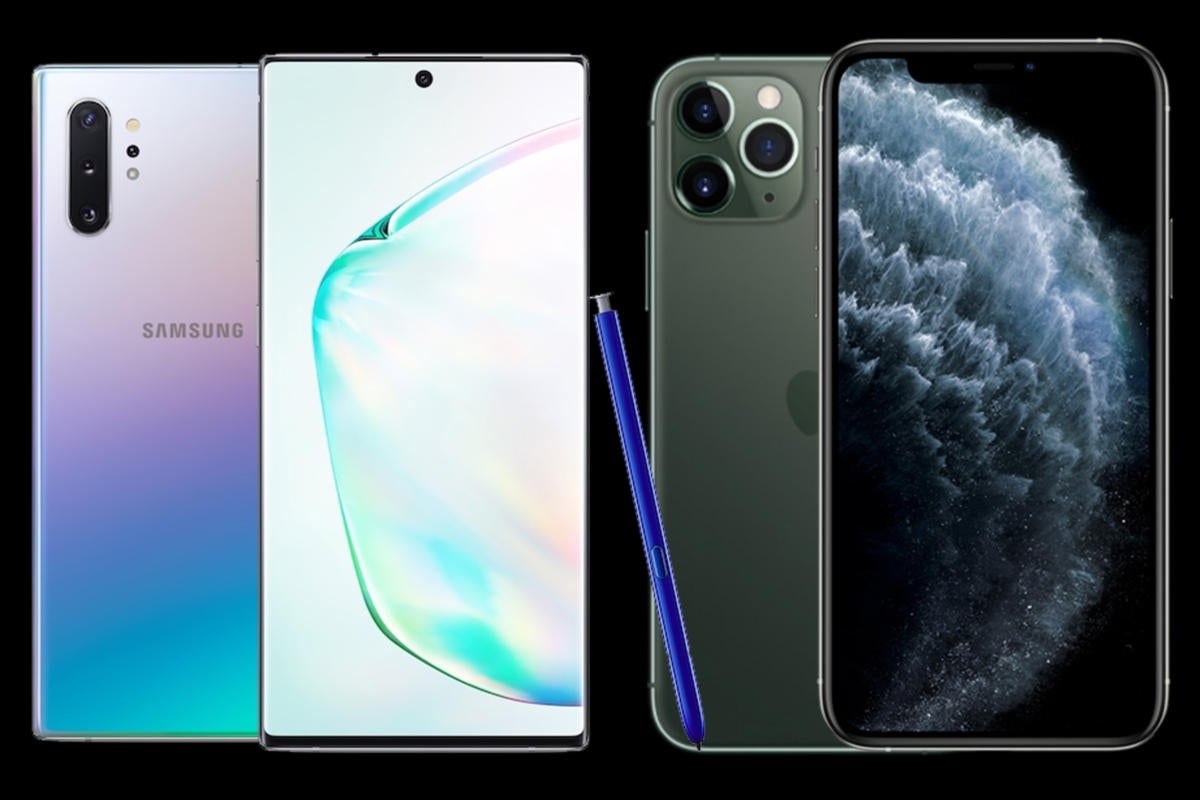
Since many years ago, Samsung has been the worthy rival against Apple for the market share of mobile phones. Many conversations revolved which is better; android or iOS with the two brands being the significant representations for the two interfaces. On multiple occasions with the recent one in 2019, Samsung actually beat Apple in taking the lead as the top smartphone manufacturer. Their success has a lot to do with the customers and is not by chance without any hiccup.
How Consumers Play a Part in a Brand's Reputation
When we take a look at Samsung's 'The Next Big Thing is Already Here' campaign that became a hit in 2011, it clearly shows that it addresses the 'pain point' of the customers. The reason why many resonated with the Samsung ad was because they hate the long queues and they are the bunch of pragmatic people who are looking for something practical, not hippy. In this example, I would say that resonance among consumers play a big role in Samsung's success through its product purpose and marketing message.
On the other side of the coin, your followers may be the very ones to expose your weaknesses. In 2016, the Galaxy Note 9 made it to the international news by causing many users to encounter small explosions due to the battery fault. the user even sued Samsung to seek compensation for the damage and to bar the sales of the faulty product. That made Samsung undertake the largest smartphone recall accounting for a 2.5 million phones to be removed from the market. The failure to avoid negativity had caused Samsung to experience a fall in its reputation due to first-hand users' legal actions that made to the news and also the spread via word of mouth on the social media.
This tells us consumers play a very vital role in protecting, maintaining and even destroying a brand's reputation. Despite the disastrous episode, Samsung managed to redeem itself subsequently through swift, effective customer recovery in the short-term and improving the product quality to win back consumers' assurance in the long-term.
Managing a Brand & its Portfolio
There are largely 4 types of brand portfolio; Monolithic, Endorsed, Free-standing or Brand, and Hybrid. In the case of Samsung, the brand architecture is Monolithic as all its product categories (displays, home appliances etc) communicate the same brand 'Samsung'.
Image: media.com
By having a Monolithic brand architecture, Samsung is able to optimise its advertising and promotion costs; the whole company's resources are channeled into a singular brand with its focus on the product itself in each electronic category. This is one way how the brand portfolio can be managed with cost efficiency.
Samsung first started as a semiconductor supplying NAND flash memory to Apple that made Samsung its sole supplier. That was how they dominated the US semiconductor market and then gradually move to become a smartphone manufacturer that ended up becoming Apple's competitor. With the increasing needs for high productivity and lower manufacturing costs in order to stay competitive, Samsung obviously has the upper hand as it produces its own industrial product.
Having a wide and strong presence in multiple countries to secure the key markets for Samsung. Its strategy of keeping a Monolithic brand architecture has proved its effectiveness in concentrating resources to drive global presence across multiple distribution channels.
How to Build & Maintain a Brand's Reputation
In recent years, it seems that Samsung is on the quiet side in terms of its campaigns probably because it has secured a steady share in the market. On the other hand, China brand Huawei seems to be the next aggressive one in line to take on the Samsung's role of challenging Apple like how Samsung first did in 2011. Huawei has established itself as an affordable smart phone with the most powerful camera function that stemmed from the partnership with lens brand Leica. This is an effective brand alliance that garnered much trust in the brand's products as it leverages on the trust toward Leica.
In order for Samsung to maintain its brand's reputation that it has painstakingly built over the decade in order not to be forgotten, it has to keep on innovating. The innovation for Samsung may come in three ways:
1) adjusting its value proposition for its smartphones to maintain its product superiority that allows the brand to win its competitors when being effectively communicated through integrated marketing
2) forming of brand alliance with a strong partner that has a good reputation for Samsung to take its brand further
3) brand development through leveraging its yet-to-optimise product categories
The current market of smartphones is quite saturated with almost every one of us holding one in hand. Over the years, Samsung has won its share of Android users and stretched the iOS-to-Android conversion. The next step for Samsung is to win back a bigger share of Android market through competing with its strong Chinese competitors. Perhaps it can divert its strategy to focus more on the display (TV screens for commercial & consumer use) category that has less strong competitors from US and China. It was reported in 2018 that Samsung is indeed considering to build a TV production plant in US.
From how Samsung first established its foothold to maintaining its global reputation to constantly remind consumers that 'the next big thing is already here', constant innovation seems to be the only answer.
References:
Comments
Post a Comment